
Worried About Brexit? Here’s What It Means For Your Finances
When Britain voted to leave the EU back in June 2016, the financial markets went into freefall. Almost immediately after it became clear that Britain was going to leave the single market, the pound fell sharply against both the euro and the dollar. Many at the time took it as a sign of the things to come, and there were a few pundits who were predicting doom for the UK economy.
Since then, however, things have been going okay. The value of the pound has fallen from its pre-Brexit position, but not as much as many feared. What’s more, there’s been a bit of a bounce back as international investors rebalance their portfolios. Though it might not seem like it to many, Britain has a lot of wealth, and it’s widely regarded as one of the most dynamic economies in the world.
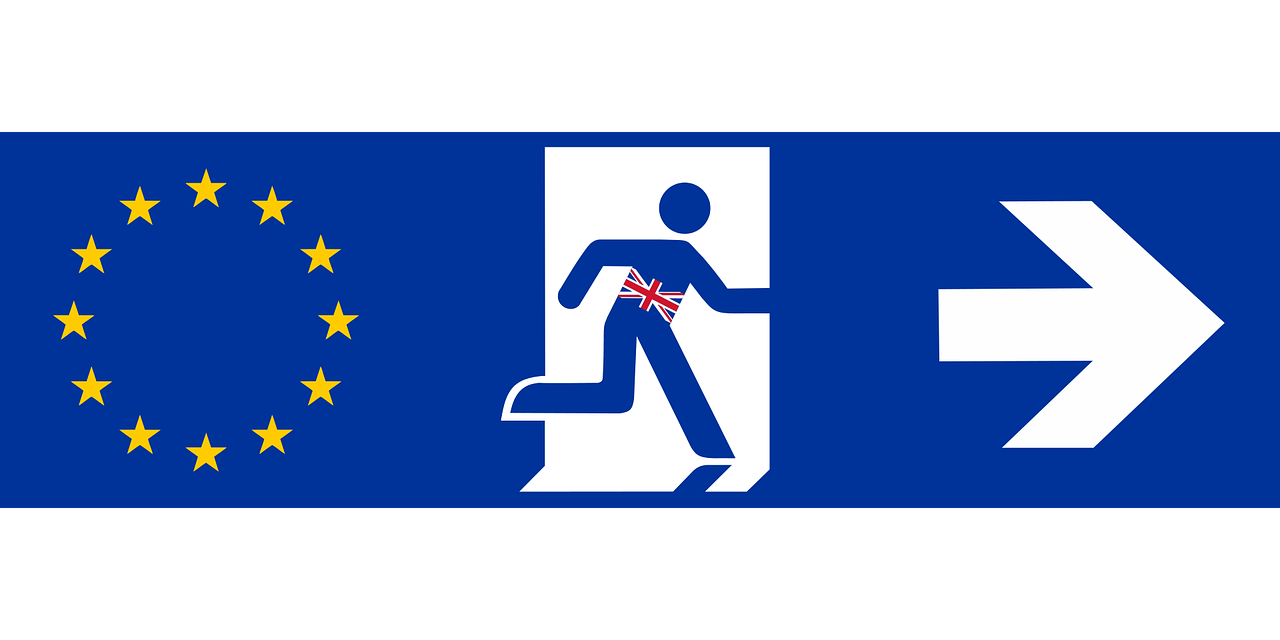
What it all means for your personal finances isn’t entirely clear. A cheaper pound means that you have to spend more money to get goods and services from abroad. This means that holidays are a lot more expensive today than they were a couple of years ago. However, if you happen to run your own business or rely on money coming in from abroad, the weaker pound could actually be a good thing. Many British companies are benefiting from the fact that the value of the pound isn’t as high at it once was, making their products more competitive overseas.
There remains, however, a high degree of uncertainty over the state of the economy and the country in general. With the Scottish National Party vowing to hold a second referendum on independence once the UK leaves the EU, many are worried about what it means for their personal finances. They’re also worried about what’s going to happen during the Brexit negotiations themselves. If the government gets saddled with a £78 billion divorce bill, as many EU politicians are threatening, then there will be less spending in the UK economy and possibly a recession.
Savings
For savers, things couldn’t really get much worse. Since 2012, interest rates have been fixed at 0.5 percent by the Bank of England as it tries to combat the combined effect of the recession and government austerity on output. Many believe that interest rates will have to rise following Brexit, though some economists aren’t sure. The reasoning goes something like this: once Britain is on its own from an economic standpoint, it will no longer have the security of the EU. As a result, government debt will no longer be viewed as safe as it is today. This will lead international investors to demand higher interest rates to cover the risks on the money market, which could result in higher rates of interest for savers in general.
There’s also the prospect that the economy might enter a rapid phase of growth once Brexit actually takes place. If this happens, then the Bank of England will raise interest rates to reduce inflation and stop the economy as a whole overheating. Again, this is good news for savers, but whether a boom time actually occurs after Britain formally leaves the EU is debatable. Sue Hannums from the website Savings Champion doesn’t think that an interest rate rise is likely anytime soon. The problem as she sees it is that the Bank of England doesn’t really have the option to raise interest rates today. The economy is still too weak, and people are in too much debt. The chances of there being a change on this front are slim at best unless there is some kind of economic miracle in the UK.
Investments
What happens to investments is highly dependent on what happens to the rest of the UK economy following Brexit. One of the concerns before the crucial vote last year was that Brexit would permanently weaken the UK’s competitive position by denying British companies access to the single market. If business performance declined, so too would the value of their stocks and share. Those who wanted to remain saw this as a real possibility and worried that the European negotiators would effectively force British business out of Europe.
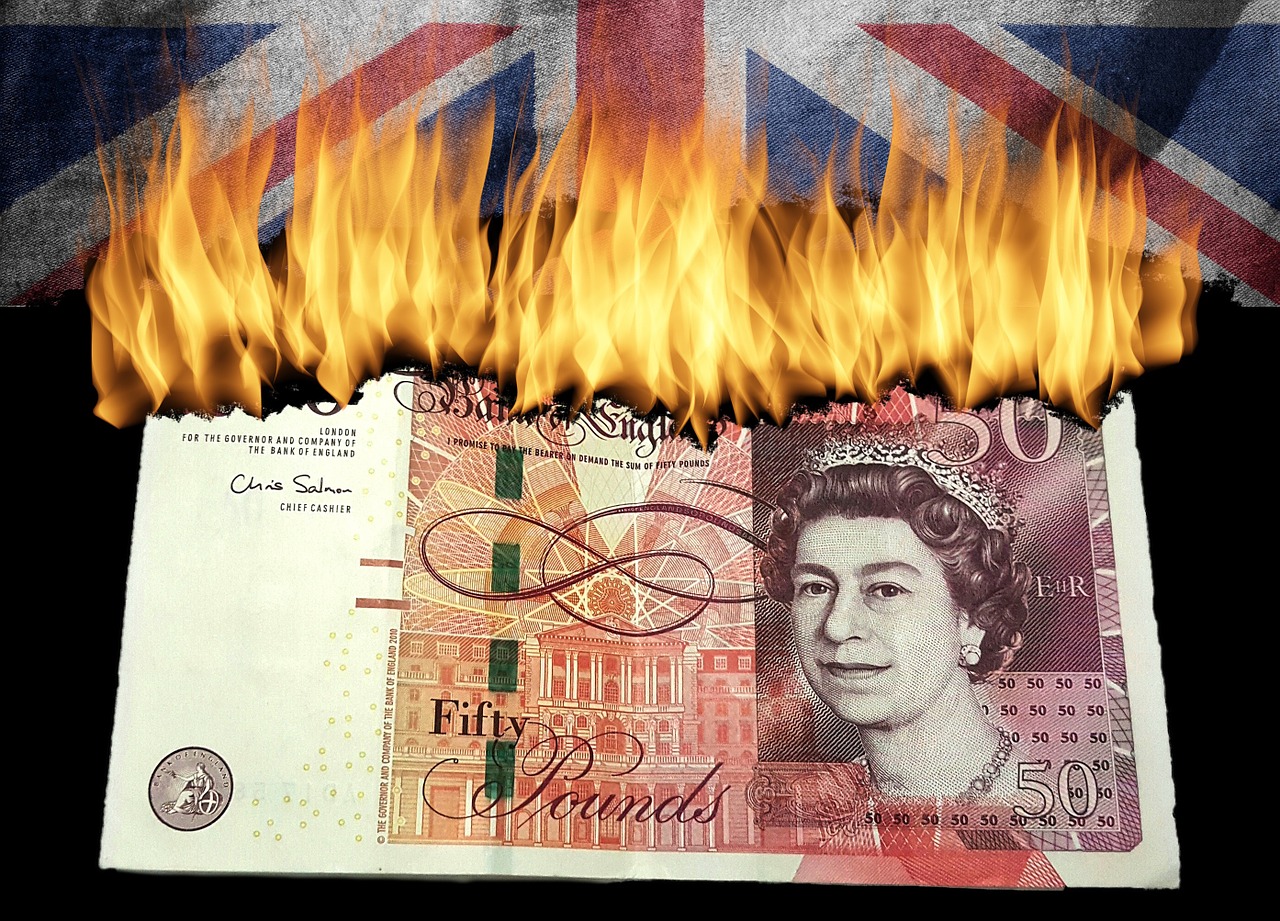
Pixabay
But is that what’s going to happen? It all depends on what occurs in the wider global economy. It’s certainly true that Britain does a lot of trade with the EU, but it’s also important to remember that the EU is a customs union and that Britain has to do a lot of trade with the bloc, thanks to its economic policies. A Britain outside the EU would be free to trade with whatever country it liked, meaning that we could see a dramatic improvement in the global performance of British firms.
If this happened, then the value of your investment portfolio would increase. Barring another global financial crises, investments in a post-Brexit would might actually outperform investments had the country remained in the EU.
Economists, however, point out that markets are still very volatile – as they always are when things change dramatically. Overall, therefore, investors might see higher returns on their stocks and shares, but individuals might get hit by sudden drops in the value of their assets. It’s also worth pointing out that the pound is on a bit of a rollercoaster, which could affect where you decide to put your money. Leaving your money at home might seem like a good idea, but if the pound were to drop in value again, you could make a bigger return by investing abroad and then buying back pounds at a later date.
Finally, it’s worth noting that worse things have happened to the UK economy than Brexit and it’s always bounced back. Investments will do the same, so long as new technologies keep improving company performance. And right now, there’s no sign that that’s about to come to an end.
Household Bills
What about household bills? Even before leaving the single market, household bills are out of control, rising by more than the rate of inflation. Borrowing to pay for basic utilities has been on the rise. But Brexit could lead to changes down the road for the average UK family. The first issue is the weaker pound. Britain doesn’t produce much of its own oil, so it has to import it from abroad. A weaker pound means that, for the average family, filling up the tank will be a lot more expensive.
The chancellor, Philip Hammond, has also indicated that there might be rises in income taxes following Brexit, with an increase in the basic rate from 20 percent to 22 percent. This will further squeeze the living standards of the middle classes, denying them any expected wage increases.
Mortgages
Finally, there is concern over mortgages. Thanks to concern about Brexit, the rise in house prices briefly stalled. If they had stalled permanently or fallen, then we could quite easily have been looking at a situation where many people had negative equity in their homes where the value of the mortgage was higher than the value of the home itself. The National Association of Estate Agents predicts that house prices could fall by around £3,000 in a post-Brexit world, with prices in London falling the most.
If you own a house, this could be a bad thing. So far, foreign investors have been propping up the housing market in places like London, York, and Oxford, buying up properties whenever they get the opportunity. But if they sense that the UK economy is faltering after it leaves the EU, then they could abandon the market, leaving prices in freefall.